
As more U.S. states consider extended producer responsibility (EPR) laws, the American Forest & Paper Association warns the policy could raise the cost of everyday goods, Midland reports.
According to AF&PPA, EPR raises costs for American families because it shifts recycling expenses onto manufacturers. Global studies show when there are new regulatory fees, prices for packaged items increase. EPR works like a consumption tax. It ultimately increases the overall cost of groceries, household goods and paper products.
As a result, Americans will feel the impact when shopping at the grocery store and for everyday necessities, according to AF&PA. EPR will increase costs without improving paper recycling.
What is EPR?
Recycling and waste collection in the United States is complicated. Most programs are run by local governments, often with help from private companies.
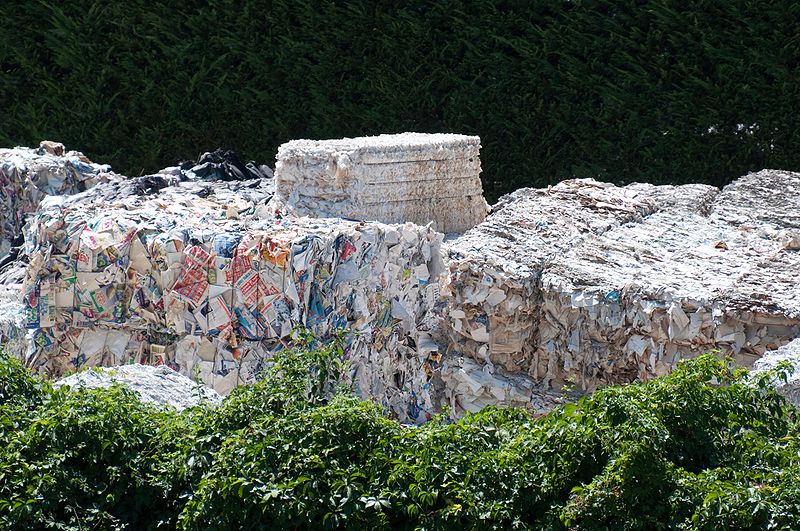
Extended Producer Responsibility requires companies to pay for collecting, recycling and disposing of their products. That’s true even for materials like paper that are already widely and successfully recycled today.
The American Forest & Paper Association represents manufacturers of paper, packaging, pulp, and wood products in the United States. The sector employs more than 925,000 people and generates over $435 billion in annual product value, accounting for roughly 4.7% of U.S. manufacturing GDP. Member companies are also major producers and users of renewable biomass energy and participate in the sustainability initiative Better Practices, Better Planet 2030.
Source: AF&PA