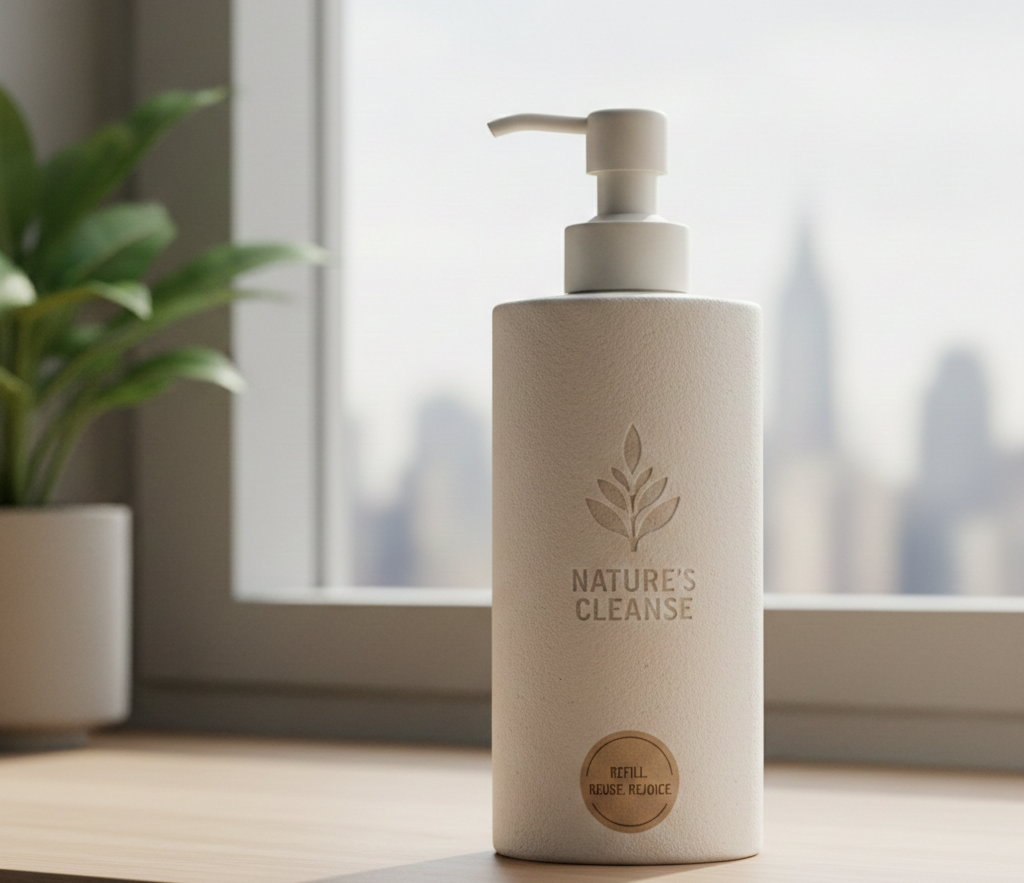




According to Research Intelo, the Global Paper Pump Bottle market size was valued at $412 million in 2024 and is projected to reach $1.38 billion by 2033, expanding at a robust CAGR of 14.2% during the forecast period of 2025–2033.
The primary driver behind this impressive growth trajectory is the increasing global emphasis on sustainable packaging solutions, which has propelled consumer and industrial adoption of paper pump bottles as an eco-friendly alternative to conventional plastic packaging. Rising environmental awareness, coupled with stringent regulations on single-use plastics, is compelling manufacturers and brands across personal care, household, and food & beverage industries to shift towards biodegradable and recyclable packaging formats. This transformation is further supported by advancements in paper-based barrier technologies, enabling paper pump bottles to deliver comparable performance to their plastic counterparts while significantly reducing environmental impact.
The global shift towards sustainability is reshaping consumer preferences and industrial strategies across sectors. Among the many emerging innovations, paper pump bottles have garnered significant attention for their potential to reduce plastic waste while providing functional packaging for personal care, cosmetics, and household products. This article explores the dynamics of the paper pump bottle market, examining its drivers, challenges, technological innovations, and future outlook.
Market Drivers
Environmental Sustainability Trends
One of the most pressing drivers of the paper pump bottle market is the intensifying demand for sustainable packaging. Consumers, especially younger demographics, are increasingly vocal about reducing plastic waste. Sustainable packaging is no longer a niche preference it has become a core factor influencing purchasing decisions, particularly in beauty and personal care segments.
Regulatory Frameworks and Policy Support
Governments and regulatory bodies across Europe, North America, and parts of Asia are implementing policies that restrict single-use plastics, impose stricter recycling targets, and incentivize biodegradable materials. These regulatory measures have accelerated the adoption of alternatives like paper pump bottles in markets where compliance is necessary for market entry and continued business operations.
Corporate Responsibility Initiatives
Companies are integrating sustainability into their core values and branding strategies. Major global brands are making public commitments to reduce plastic usage, thereby bolstering demand for innovative packaging such as paper pump bottles. In many cases, this transition is part of broader Environmental, Social, and Governance (ESG) goals that appeal to environmentally conscious investors and consumers alike.
Technological Innovations
Material Engineering and Durability
One core challenge for paper pump bottles lies in ensuring product integrity. Liquids particularly those with high moisture content can compromise standard paper. To address this, manufacturers are developing specialized coatings and barriers that protect internal contents while maintaining biodegradability. These coatings are engineered to be water-resistant yet still recyclable or compostable, striking a balance between functionality and sustainability.
Enhanced Pump Mechanisms
Traditional pumps are usually made from plastics, so a key innovation area is developing pump mechanisms that are recyclable or designed with minimal plastic content. Advanced engineering has led to pumps made partially with biodegradable polymers, metal springs designed for recyclability, and modular designs that allow easy separation of components for proper recycling.
Challenges Facing the Market
Cost and Production Scalability
Paper pump bottles are generally more expensive to manufacture than conventional plastic bottles. The higher cost stems from specialized materials, engineering complexity, and lower economies of scale. This cost premium can deter smaller brands or cost-sensitive markets unless offset by consumer willingness to pay more for sustainable products.
Recycling Infrastructure Limitations
Even when materials are designed to be recyclable, actual recycling depends on local infrastructure and consumer behavior. In regions with limited recycling capabilities or public awareness, the environmental benefits may be diluted, underscoring the need for better waste management systems globally.
Future Outlook
Growth Trajectory
Market projections suggest significant growth for paper pump bottles over the next decade. As material science continues to evolve and production costs decline through scale and innovation, paper-based packaging is poised to capture a larger share of the sustainable packaging market.
Collaboration and Standardization
Success in this market will depend on cross-industry collaboration. Material suppliers, manufacturers, brands, and policymakers must work together to establish standards for performance, recyclability, and sustainability reporting. Such alignment can accelerate adoption and foster consumer trust.
Competitive Landscape
Prominent companies operating in the market are:
• SKS Bottle & Packaging, Inc.
• Raepak Ltd.
• Cospack America Corp.
• APG Packaging
• Quadpack Industries
• Silgan Dispensing Systems
• Albea Group
• Yuyao Shunlong Sprayer & Pump Co., Ltd.
• Frapak Packaging
• Berry Global Inc.
• RPC Group Plc
• LUMSON S.p.A.
• Libo Cosmetics Co., Ltd.
• HCP Packaging
• Takemoto Packaging Inc.
Source: https://researchintelo.com/report/paper-pump-bottle-market